The Scenes Outside London That Are Rewriting UK Streetwear Right Now
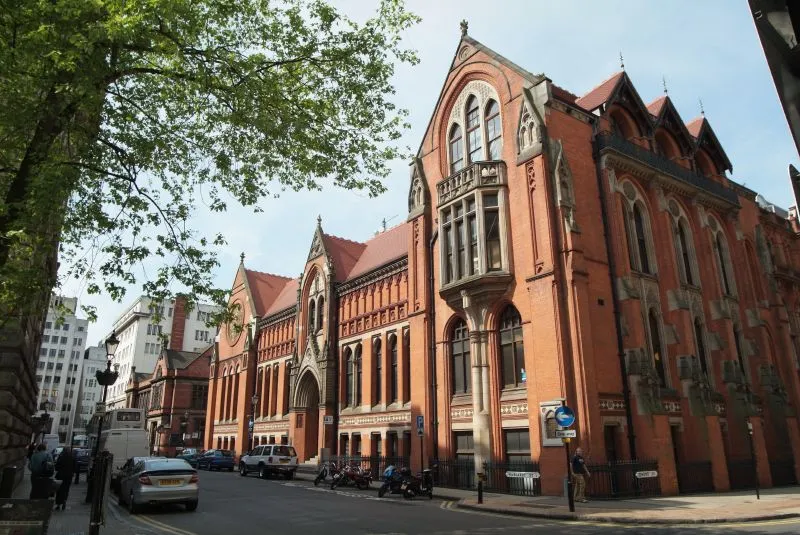
Photo: David Bryson, David Bryson: Cladonia Resources, CC BY-SA 2.5, via Wikimedia Commons
London is easy to write about. It has the flagship stores, the press days and the sheer volume of people willing to queue. But if you only look at the capital, you miss the part of UK streetwear that is actually moving: the local crews, small shops and weekend markets where a new silhouette gets tested before it ever reaches a lookbook.
In 2026, the interesting question is not which London label has the loudest drop. It is which postcode has the most convincing idea. Manchester, Leeds, Glasgow, Cardiff and Birmingham are not 'regional' in the sense of being second. They are the places where young creatives are building a look around real weather, real transport and real nights out.
Manchester: utility with a bus pass
Manchester has always had a practical streak. The city's young creatives are not dressing for a photo pit; they are dressing for a bus that may not turn up and a sky that cannot decide. The signal is utility without costume: cargos with a proper hem, heavyweight tees, zip hoods worn open over the top, a cap to deal with the drizzle.
The best local drops are coming out of small studios and market stalls rather than big concept stores. Barbershops around Ancoats and the Northern Quarter are part of the circuit; they are where people compare fits, swap numbers and find out who is printing tees this week. Community radio is doing the same job on the airwaves, giving airtime to crews who cannot afford a billboard.
What Manchester is teaching the wider UK is restraint. A logo is not enough. The fit has to work on a tram.
Leeds: print, pubs and proper DIY
Leeds has a strong DIY print culture that does not get enough credit. The scene runs through Hyde Park house parties, small gigs and weekend markets where someone is selling screen-printed tees next to a stall of second-hand workwear. The look is oversized but not sloppy: heavy tees, wide trousers, a hood or a knit that looks like it has been worn in rather than styled for a shoot.
A Leeds-based designer I spoke to described the local approach as 'making something that survives the walk home'. That is a good test. The city's independents are less interested in a one-off grail than in a piece you can wear three times a week. It is why you see workwear jackets, boxy tees and low-key graphics rather than loud seasonal statements.
The other signal is collaboration by necessity. Small crews share photographers, market stalls and mailing lists. That informal network is what makes a local drop feel like a scene rather than a product launch.
Glasgow: weatherproof and sharp
Glasgow's style has always had a bit of edge, but in 2026 the edge is practical. The weather forces layering, and layering forces you to think about proportion. You see zip hoods under jackets, cargos with a tight hem, sportswear twisted into something sharper. The Southside and the Barras circuit are where a lot of it starts: market stalls, small record shops, barbers and community radio all feeding the same conversation.
One Glasgow organiser told me the local scene is 'not trying to look rich'. That is the point. The best outfits are built from pieces that can take a bit of rain and a late night. The city's independents are making hoods with a heavier hand, tees with a boxier cut and trousers that do not pretend to be tailoring.
What Glasgow is teaching the UK is that layering can be the design. You do not need a new print every week if the silhouette is strong enough.
Cardiff: compact, connected, quietly confident
Cardiff is smaller than the other cities on this list, and that is an advantage. The scene is compact enough that a good drop travels by word of mouth. Womanby Street, the arcades and the weekend markets around the city centre are all part of the same loop. You see young creatives wearing local labels to gigs, then selling the same labels at a stall the next weekend.
The style signal is practical and a bit playful: caps, overshirts, cargos, graphic tees that reference Welsh language and local humour without turning it into a souvenir. The best Cardiff independents are not chasing a London look. They are making clothes for a city where you walk everywhere and the weather changes by the hour.
Cardiff is also a good reminder that support does not have to mean spending a fortune. A £25 tee from a local stall can do more for the scene than a £200 jacket from a brand that already has a PR agency.
Birmingham: heavy graphics and hybrid sound
Birmingham has one of the most underrated streetwear conversations in the UK. Digbeth and the Custard Factory area have long been a home for independent creative spaces, and the city's music scene feeds directly into what people wear. Grime, bhangra, rap and garage all overlap, and so do the fits: heavy graphics, car coats, cargos, trainers that can handle a long walk from the bus.
The local crews are not waiting for permission. They are printing tees, shooting lookbooks in car parks and selling through Instagram before they have a website. Community radio and barbershops are the grassroots press. If you want to know what is moving in Birmingham, do not check the shopping centre; check who is playing the small rooms and who is printing the shirts for the afters.
What Birmingham is teaching the UK is that hybrid identity is not a marketing angle. It is just what the city sounds and looks like.
How to spot a local drop without chasing hype
A real local drop usually has a few things in common. It is made in small runs, it is sold by people who can tell you where the fabric came from, and it does not disappear the moment the algorithm moves on. The best signals are physical: a market stall, a barbershop shelf, a local stockist, a friend wearing it to a gig.
Be sceptical of anything that looks like a scene but feels like a campaign. If a brand is using local slang on the caption but cannot name a single stockist in the city, it is probably not local in any meaningful way. If a crew is shooting in the same postcode they sell in, that is a better sign.
Support without being a tourist
The easiest way to support local scenes is to buy one piece and wear it properly. Go to the market. Follow the crew. Share the drop with someone who will actually wear it. Do not ask for a discount because you are 'supporting independent'. Do not treat a small label like a content opportunity. And do not wait for a London stockist to validate something that is already happening in Manchester, Leeds, Glasgow, Cardiff or Birmingham.
The UK streetwear agenda in 2026 is not being set in one city. It is being set in barbershops, community radio studios, market stalls and group chats. The postcode is the point.