The 7:40 Is the New Front Row: Styling for the Walk Home in 2026
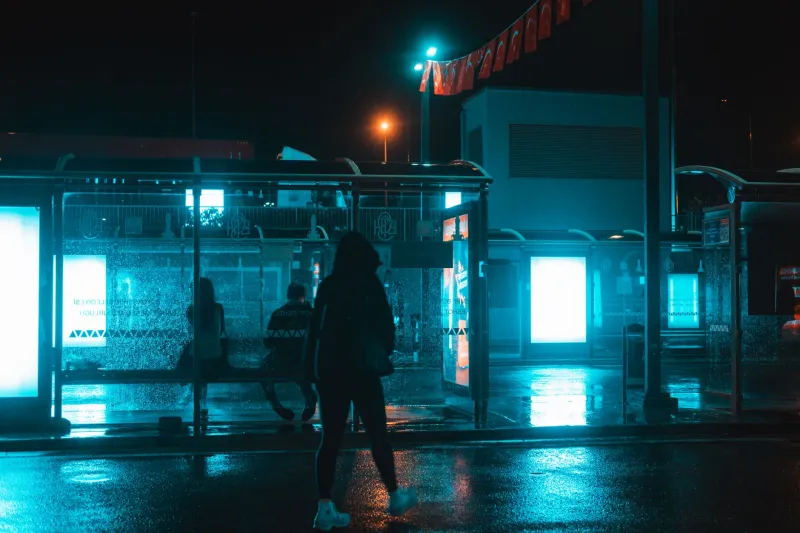
There is a particular kind of outfit that only makes sense in transit. Not the one photographed against a blank wall, not the one timed to a drop, not the one built for a comment section. The one that has to survive the 7:40 queue, the walk back from college in sideways rain and the last train platform when the heating has given up. In 2026, that is where a lot of the most useful styling is happening.
The audience is smaller than the internet and much more specific. It is the person at the shelter who knows your usual jacket. The mate who clocks your trainers from across the road. The bus driver who has seen you in the same hoodie three days running. That is not a lack of ambition. It is a different kind of style logic — one built on repetition, weather and being recognised in your own town.
The queue is the audience
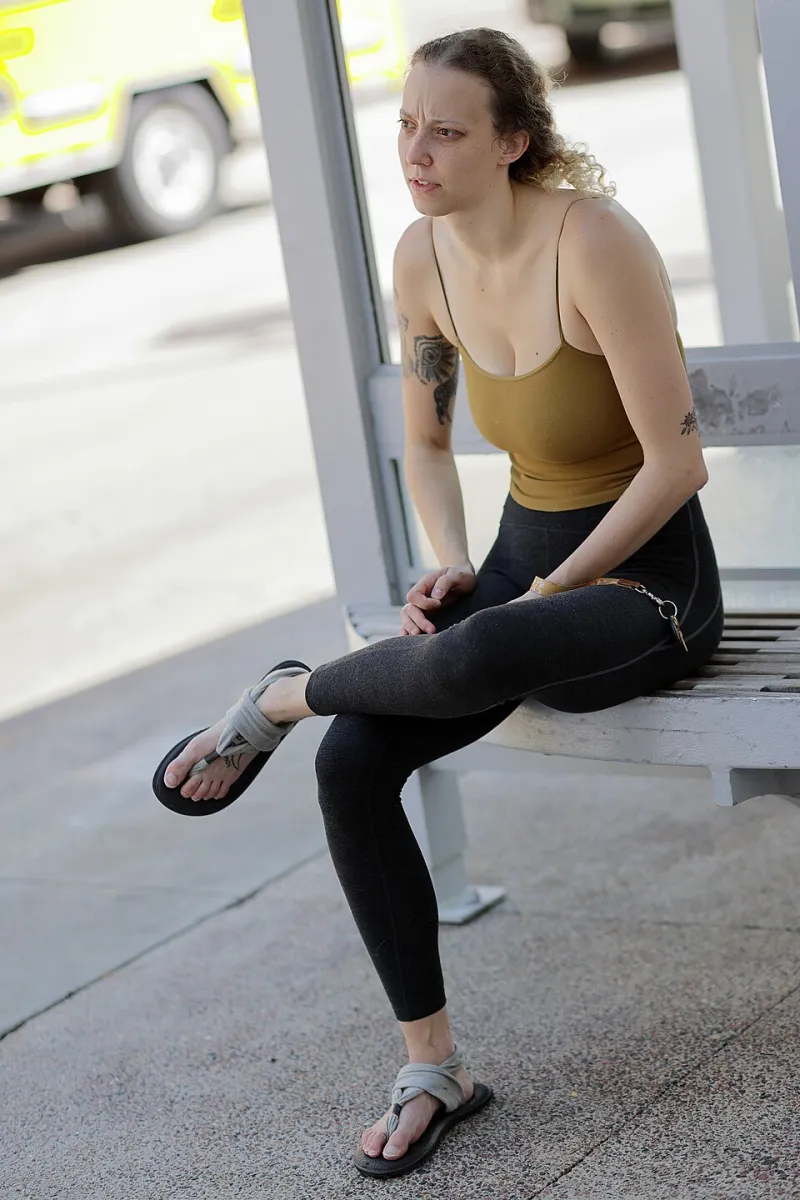
Online applause is abstract. Local recognition is immediate. You can tell within seconds whether a fit works when someone you know gives you the nod at the bus stop. That changes what you wear. Instead of one-off statement pieces, you start building a uniform that can take a week of bus seats, wet pavements and the same four streets. The best outfits are not always the loudest; they are the ones your mates can recognise from a distance.
That is why the walk home has become such a good testing ground. It is low-stakes and high-frequency. You are not dressing for a shoot. You are dressing for the bit between school, work and home — the in-between hours when the weather is doing something British and the bus is doing something worse. If a fit works there, it works everywhere.
Dress for the in-between
The practical pieces are not boring. They are the backbone. A shell jacket or a short parka that can handle a bus shelter without turning into a sauna. A hoodie that layers under it without bunching at the shoulders. Straight-leg jeans or cargo trousers that do not creep up when you sit down. Trainers with actual grip, or boots that can take a puddle without asking for a lift home. A cross-body bag that keeps your hands free for your phone, your ticket and the chips you should not have bought but definitely will.
Layering is the whole game. A British winter in 2026 is less about one big coat and more about being able to adjust on the move. Thermal underneath, overshirt in the middle, shell on top. Scarf in the bag, beanie in the pocket, socks that actually cover the ankle gap when you sit down. The aim is not to look like you are going hiking. The aim is to look like you knew it was going to rain and made a decision about it.
Fit checks happen in motion
The bus window is a mirror if the light is right. Shop windows are mirrors if you are quick. The phone camera in the queue is a mirror if you are subtle about it. But the check is not really visual anymore. It is functional. Does the jacket bunch when you sit? Do the trousers hold their shape after twenty minutes on a plastic seat? Can you run for the bus without your bag swinging into someone's nan? Can you stand on a cold platform for fifteen minutes without regretting every choice you have made since breakfast?
That is the 2026 fit check: would I wear this to the shop at 9pm? Would I wear it to meet my mates after work? Would I wear it again tomorrow if it survives the radiator overnight? If the answer is yes, it is probably a good outfit. If the answer is no, it is probably content — and content is not the same thing as clothing.
The local fame economy
There is a quiet social economy to being known in your town. The barber knows your name. The corner shop knows your order. The bus driver knows your stop. Style becomes shorthand in those spaces. You are not an influencer; you are the person with the good jacket. That is a lower-pressure kind of recognition, and it rewards repeat wearing. A signature piece beats a rotation of one-wear wonders.
This is why you see so many teens styling for the walk home rather than the feed. The feed rewards novelty. The bus stop rewards consistency. The feed wants a new angle. The queue wants to know if your coat is actually waterproof. In 2026, the latter feels more honest. It is also more fun, because you can stop performing and start wearing.
Three transit-ready formulas
The wet-weather default: shell jacket, hoodie, straight-leg jeans, trail-style trainers, cross-body bag. Add a beanie if the wind is doing that thing where it goes straight through your ears. Everything should be dark enough to hide bus-seat marks and bright enough that a driver sees you at the crossing.
The college-to-work shift: overshirt, thermal base layer, cargo trousers, boots, scarf. It looks put together without looking like you tried. The overshirt does the smart-casual loophole thing; the boots do the puddle thing. Keep the colours in the mud, mocha and grey zone if you want it to work with everything else you own.
The last-train platform: zip-up, plain tee, track pants, retro runners, cap. Warmer than it looks if the zip-up is decent. The platform is colder than the street, so a scarf or a spare hoodie in the bag is not overkill. The fit needs to work under sodium lights and in a camera flash if someone decides to take a photo. It usually does.
The platform is the real runway
The last train platform is where the transit fit gets tested properly. The wind is different there. The waiting is longer. The lighting is unkind. But that is also where you see some of the best outfits, because nobody is posing. They are just standing there, hands in pockets, trying to work out whether the train is delayed or cancelled. The clothes are doing their job. The style is a side effect.
That is the point. The best looks in 2026 are not the ones that need an audience of thousands. They are the ones that work for an audience of one — the mate who says 'that jacket's nice' while you are both waiting for the 7:40. The walk home is the runway now. The queue is the front row. And the only engagement that matters is whether your coat keeps you dry on the way back.
Young Ones is built for that kind of dressing: streetwear that lives in real weather, real towns and real bus queues. The 7:40 does not care about your reach. It cares whether you have got a hood. That is the flex.