The Smart-Casual Loophole: How Sixth Forms Became UK Streetwear’s Most Inventive Testing Ground
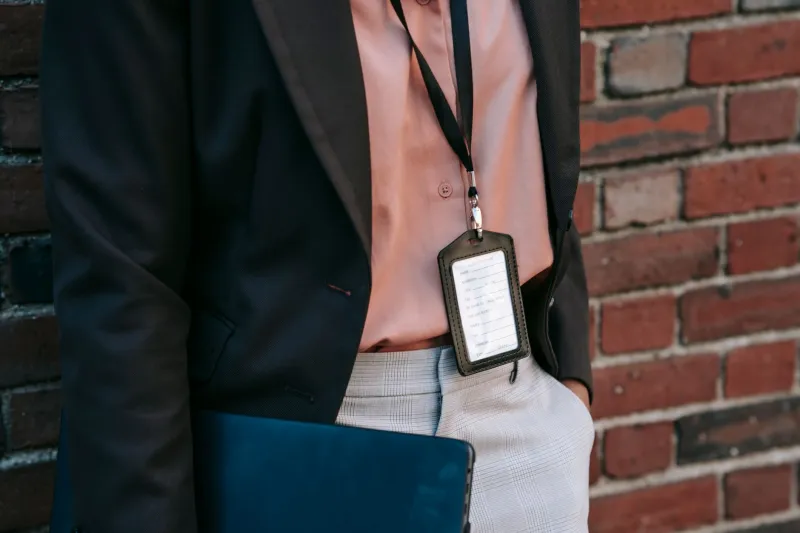
At 8:42 on a Tuesday, the corridor outside a sixth-form common room is doing something the school prospectus never promised. A blazer is open over a faded hoodie. A lanyard swings against a nylon track pant. Loafers are being worn with socks thick enough to survive a bus stop. Nobody looks like they’re trying to be fashionable. That’s exactly why it works.
By autumn 2026, the sixth-form corridor has become one of the UK’s most honest streetwear labs. Not because students are given freedom, but because they aren’t. Dress codes say “smart casual” and then leave the rest to interpretation. That gap between the rule and the reality is where the good stuff happens.
The rules are vague, and that’s the point
“Smart casual” is a phrase that means everything and nothing. For a deputy head, it can mean no hoodies, no ripped jeans, no hats. For a Year 12 student in Bristol, it means a clean hoodie under a blazer is technically fine because the blazer is doing the smart part. Both readings can survive the same sentence. That ambiguity is the creative constraint.
Students quickly learn what staff actually notice: overall shape, cleanliness, and whether the top half looks like it belongs in a school building. They also learn what nobody notices: a lanyard strap that matches a trainer, a track pant with a sharp crease, a hoodie that sits flat under a structured shoulder. The dress code isn’t a wall. It’s a filter.
A Year 13 student in Leeds puts it plainly: “You can’t wear what you want, so you wear what you’ve got in a way they didn’t expect.” That’s not rebellion. It’s editing.
Hoodie under blazer is not a loophole — it’s a silhouette
The most common sixth-form formula is also the most misunderstood. A hoodie under a blazer doesn’t have to look like a mistake. It works when the hoodie is thin, the blazer is structured, and the colours are doing something intentional. Grey marl under charcoal. Navy under black. A faded black zip-up under a slightly oversized checked blazer.
The hood fills the collar space. The blazer sharpens the line. The result is softer than a shirt and tie, but more put-together than a plain jumper. It also solves the British weather problem: you’re layered for the bus stop, the classroom, and the walk home when it inevitably starts raining.
The founder of a small Manchester label says sixth-formers have become some of their most reliable customers for cropped zip hoodies and plain blazers. “They’re not buying full outfits,” she says. “They’re buying one piece that makes the rest of their wardrobe work harder. That’s a different kind of shopping.”
Track pants and loafers: the comfort rebellion
Track pants with loafers sounds wrong until you see it in the wild. A straight-leg track pant in a dark colour, a clean loafer, and a knit polo or plain tee on top is smart enough for the gate and relaxed enough for a double free period. The trick is keeping the track pant quiet: no loud side stripes, no bunching at the ankle, no fabric that swishes down the corridor like a PE kit.
Chunky shoes work too, but loafers change the register. They make the track pant look deliberate. The same logic applies to tailored trousers with a hoodie, or a pleated skirt with a zip-up and thick socks. The point isn’t to look like you’re going to a club. It’s to look like you’re going somewhere after school, and you’ve planned for it.
The lanyard economy
Somewhere between a bag and a bracelet, the lanyard has become the sixth-form accessory that nobody predicted. It carries the ID card, the bus pass, the keys, the library card. It also carries personality. A bright strap against a grey blazer. A woven one from a gig. A plain black one that makes everything else look sharper.
Indie brands have noticed. Small UK labels are making lanyards in the same fabrics as their caps and bags, often at £12–£20, which puts them in the impulse-buy zone without feeling disposable. Students customise them with pins, keys and tiny carabiners. It’s a practical object that happens to sit right where a necklace would. That’s a styling opportunity, not a school-supplies afterthought.
Three formulas that get past the gate
- Blazer, thin hoodie, straight trousers, clean trainers. Keep the hoodie close to the body and the blazer slightly oversized. Choose one colour family — grey, navy, black — and let texture do the work. This is the bus-stop-to-form-room fit that survives most dress codes.
- Knit polo, dark track pants, loafers, plain socks. The polo makes the top half smart. The track pant keeps it comfortable. The loafer is the tell that you meant it. Add a lanyard if you want the full sixth-form signature.
- Overshirt, plain tee, tailored trousers, chunky shoes. This is the cleaner version for days when staff are being strict. The overshirt reads as a jacket, the tee keeps it young, and the trousers do the smart-casual work without looking like you’re going to an interview.
What staff actually notice — and what they don’t
Most sixth-form dress codes are enforced by feel rather than fine print. Staff tend to notice obvious slogans, hats, very short hemlines, and anything that looks like you’ve just come from bed. They rarely notice a well-cut hoodie, a tonal lanyard, or a track pant that fits properly. The trick is to keep the top half formal enough and the bottom half clean enough that nobody has to make a judgement call.
That’s why the best sixth-form fits aren’t the loudest. They’re the ones that make the rules look negotiable without actually breaking them. A blazer over a hoodie. A loafer with a track pant. A lanyard where a necklace would be. Small moves, repeated daily, until they become a look.
Why indie brands are watching
Sixth forms are a focus group that doesn’t know it’s a focus group. Students test layering, proportion and price points in real conditions: crowded buses, cold classrooms, long walks, strict gate checks. If a piece works there, it can work in the wider world. That’s why small UK labels are paying attention to what gets worn to college in Leeds, Bristol and Manchester — not just what gets photographed at shows.
The corridor isn’t trying to be a runway. That’s what makes it worth watching. In 2026, the most inventive UK streetwear isn’t always on a screen. Sometimes it’s a hoodie under a blazer, a lanyard against a lapel, and a pair of loafers that have already done a full day of lessons.